
Field notes on building a sustainability operating system.
Long-form thinking from our team and partners on the four modules that power gCurv — carbon, insights, packaging, and supply chain.
Featured from each module
The single most useful read from each of our four product modules — picked for operators making decisions this quarter.

Carbon accounting beyond spreadsheets: building an auditable Scope 1, 2, and 3 inventory
Why disconnected workbooks fail under CSRD-grade scrutiny, and how a connected ledger turns emissions data into a defensible, board-ready asset.

The ROI of replacing packaging spreadsheets with Packgine.ai
A grounded look at where Packgine.ai pays back: fee accuracy, audit defensibility, redesign velocity, and the avoided cost of compliance failure. The numbers are larger than most CFOs expect.

The May 31 EPR Deadline: What CPG Teams Are Doing in the Final Stretch
Six states share a May 31, 2026 packaging EPR reporting deadline. Here's how CPG teams are getting ready — and what comes after.

Supplier data collection at packaging scale: what Packgine.ai gets right
Most packaging compliance failures trace back to supplier data gaps. Packgine.ai's structured collection workflow turns the chase into a managed pipeline — and unlocks Scope 3 accuracy as a byproduct.
The May 31 EPR Deadline: What CPG Teams Are Doing in the Final Stretch
Six states share a May 31, 2026 packaging EPR reporting deadline. Here's how CPG teams are getting ready — and what comes after.

Why Packgine.ai is becoming the system of record for packaging compliance
Packaging compliance has outgrown spreadsheets. Here's how Packgine.ai is consolidating EPR fees, recyclability data, and PPWR readiness into a single operating layer that pays for itself within a reporting cycle.

Eco-modulation, decoded: how Packgine.ai turns EPR fees into a design lever
Eco-modulated fees reward recyclable, low-impact packaging — but only if you can prove it. Packgine.ai operationalises the data trail that converts redesign work into measurable fee reductions.
Supplier data collection at packaging scale: what Packgine.ai gets right
Most packaging compliance failures trace back to supplier data gaps. Packgine.ai's structured collection workflow turns the chase into a managed pipeline — and unlocks Scope 3 accuracy as a byproduct.

PPWR is closer than it looks: how Packgine.ai compresses the 2027 readiness curve
The PPWR conformity assessment is a multi-year programme disguised as a single deadline. Packgine.ai shortens the runway by reusing the data producers already collect for US EPR and CSRD.
The ROI of replacing packaging spreadsheets with Packgine.ai
A grounded look at where Packgine.ai pays back: fee accuracy, audit defensibility, redesign velocity, and the avoided cost of compliance failure. The numbers are larger than most CFOs expect.

EPR fees are eating margin: how to model packaging cost-to-serve before launch
Extended Producer Responsibility schemes now stretch across 40+ jurisdictions with wildly different eco-modulation rules. Pre-launch modelling is no longer optional.
Carbon accounting beyond spreadsheets: building an auditable Scope 1, 2, and 3 inventory
Why disconnected workbooks fail under CSRD-grade scrutiny, and how a connected ledger turns emissions data into a defensible, board-ready asset.

Double materiality without the pain: a structured approach to CSRD ESRS assessments
Double materiality assessments collapse under their own weight when run as one-off consulting projects. Here is how to make them a repeatable, evidence-led capability.

Supplier engagement that actually works: moving from surveys to shared performance
Annual ESG surveys generate response fatigue and little change. The shift is toward continuous, contextual engagement tied to commercial decisions.
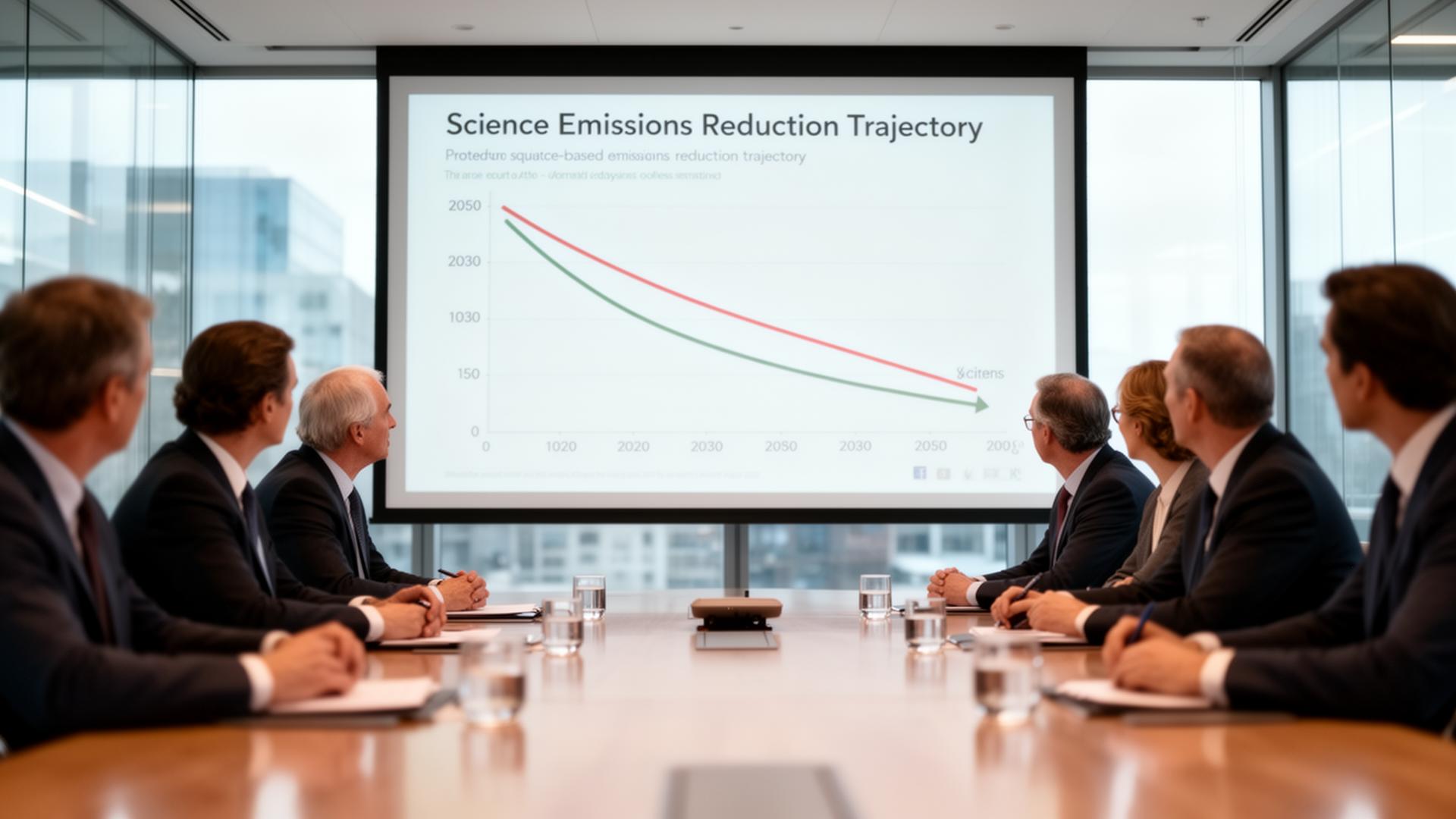
From SBTi commitment to operational playbook: turning targets into quarterly delivery
Setting a 1.5°C-aligned target is the easy part. Here is how leading teams break a 15-year trajectory into quarterly initiatives owned by named accountable executives.

The ESG data architecture problem: building a single source of truth across 30+ frameworks
CDP, CSRD, ISSB, GRI, SASB, TCFD, TNFD — every framework wants the same number in a different shape. The answer is not another reporting tool. It is a data layer.

Collecting primary PCF data at scale: the operating model behind a 10,000-supplier programme
Product carbon footprints are the unit of currency for Scope 3 reduction. Here is the operating model that makes primary data collection viable beyond strategic suppliers.
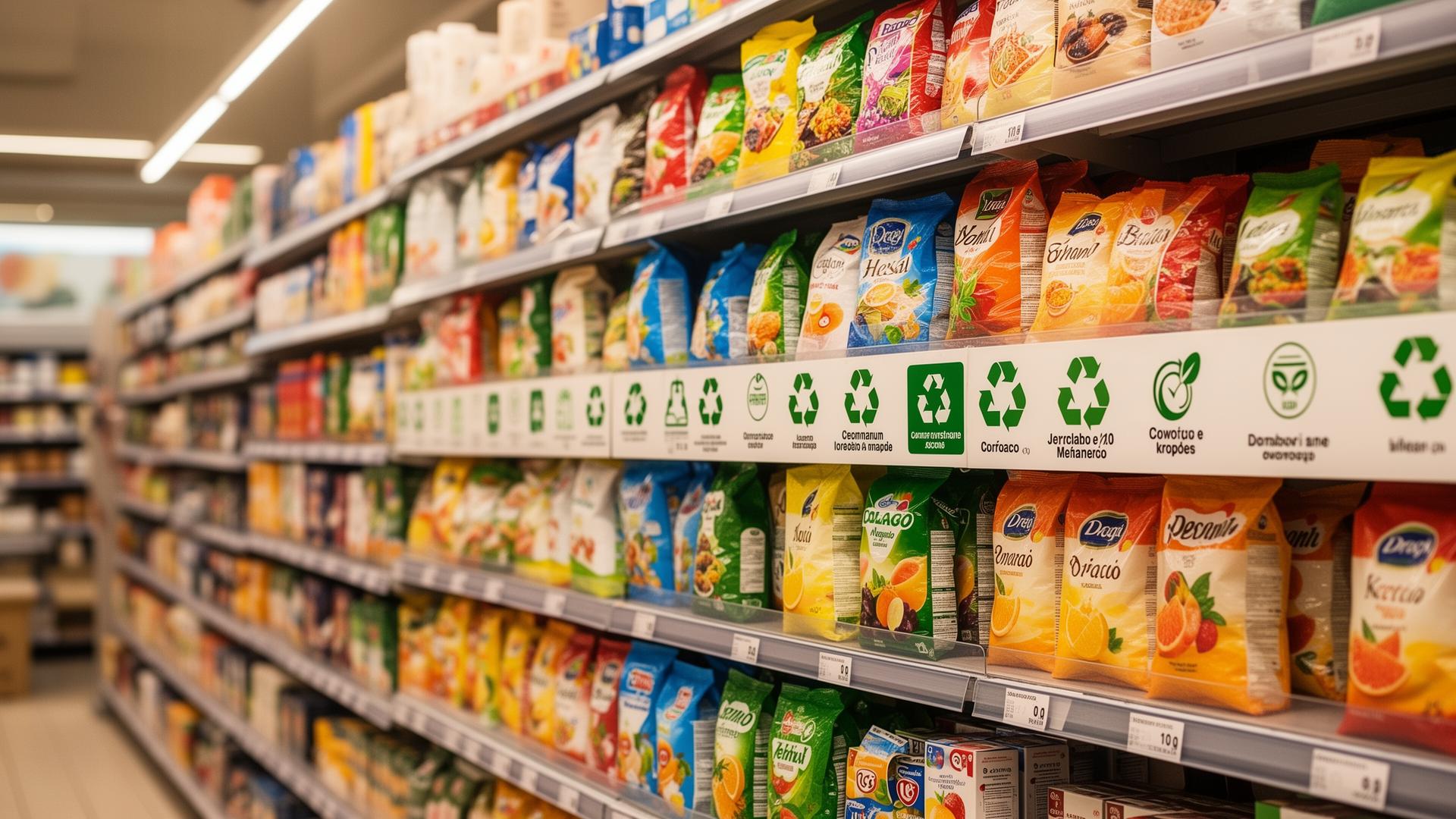
PPWR readiness for 2030: a portfolio-level diagnostic in eight weeks
The Packaging and Packaging Waste Regulation rewrites the rules for the EU market. Most portfolios are not where leadership thinks they are.