The five PPWR pressure points
Recyclability grading, recycled content minimums, reuse targets for specific formats, restrictions on unnecessary packaging, and labelling harmonisation. Each carries phased deadlines through 2030 and 2040. Treating them as a single programme — rather than five workstreams — is the only way to keep design teams sane.
These five vectors interact. A pack redesigned to hit recycled content minimums may compromise recyclability grade if the wrong polymer is chosen. A reuse format may reduce recycling-related compliance entirely but introduce reverse logistics and hygiene constraints. A diagnostic that scores each pressure point in isolation misses the trade-offs that actually drive design decisions.
Diagnose at SKU level
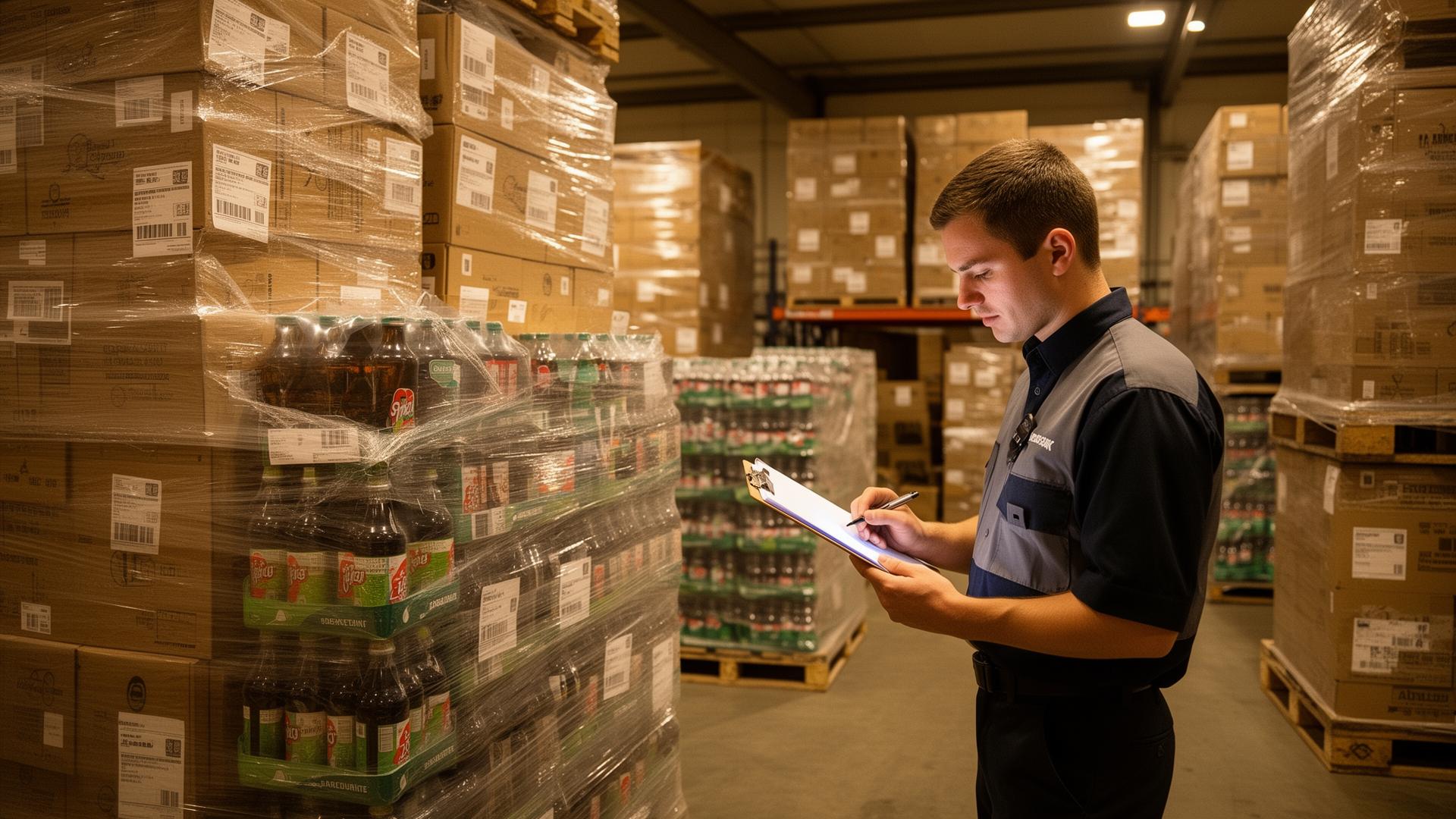
An eight-week diagnostic running on Packaging Intelligence can classify every active SKU against the five pressure points, surface the at-risk volume in revenue terms, and prioritise redesign queues by urgency and feasibility.
The output that matters most is not the compliance dashboard — it is the prioritised redesign backlog. Eight weeks in, the leadership team should have a clear answer to a single question: which SKUs do we redesign first, and what is the expected payback in fees, carbon, and risk reduction.
Build the redesign engine
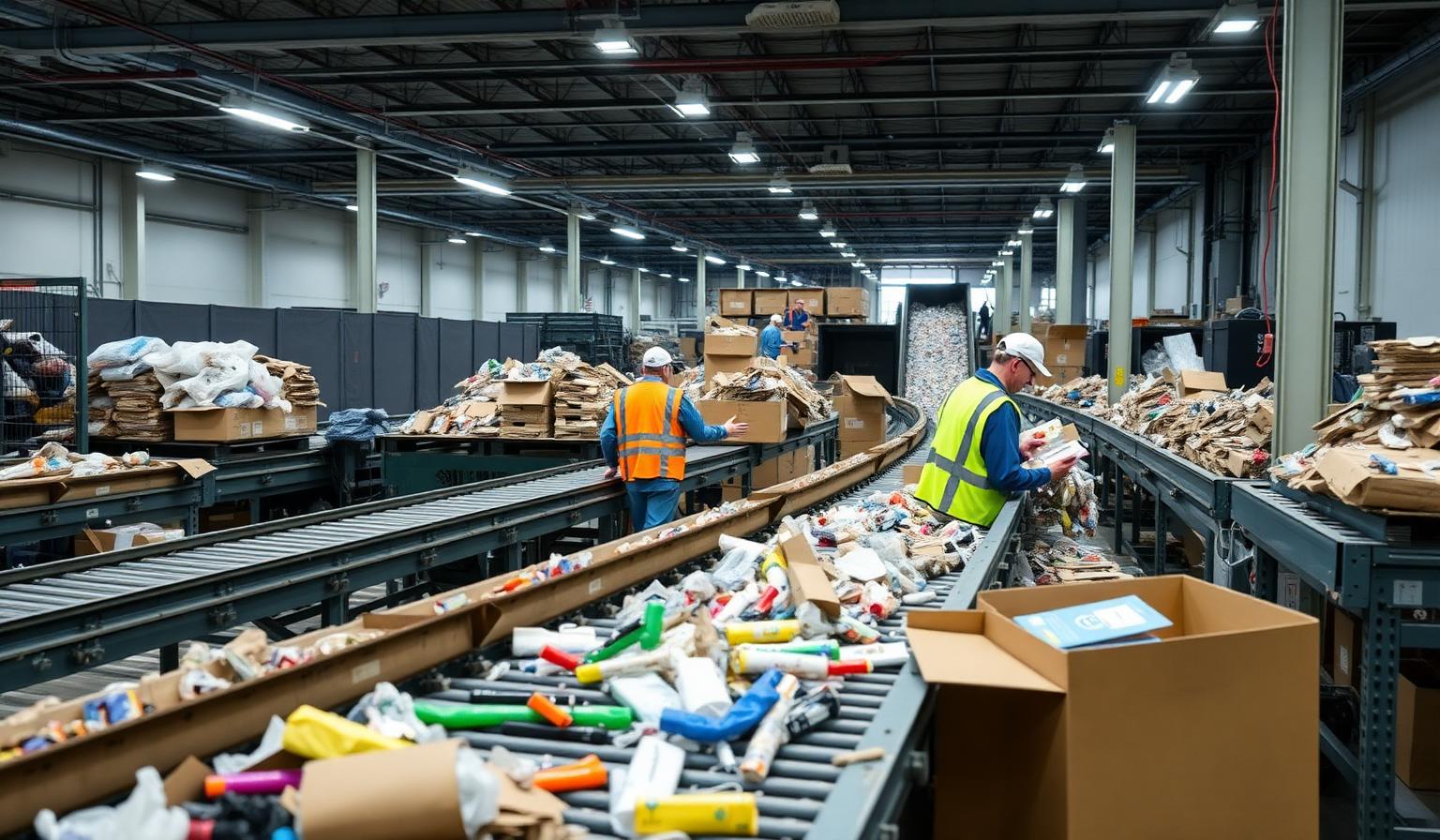
After diagnosis, the work is industrial: a steady cadence of redesigns, supplier qualifications, line trials, and market roll-outs. The platform tracks every SKU's journey from at-risk to compliant, with executive-level burn-down charts that make progress legible to the board.
The redesign engine succeeds or fails on cross-functional rhythm. R&D, procurement, operations, and commercial teams all need a shared view of the pipeline, weekly stand-ups that cut across silos, and a stage-gate process that prevents pet projects from displacing portfolio priorities. Without that operating model, individual SKU redesigns succeed but portfolio progress stalls.
The recycled content scramble
Recycled content minimums are the deadline most likely to surprise leadership teams. Recycled feedstock supply — particularly food-contact-grade rPET and certified recycled polyolefins — is constrained, and prices have decoupled from virgin material in ways that traditional procurement models do not anticipate.
Companies that secure long-term supply agreements early, sometimes co-investing with recyclers, are creating a structural advantage. Those that wait to buy on the spot market in 2029 may discover that compliant material is simply unavailable at any price, forcing market exit for non-compliant SKUs.
The platform models recycled content scenarios at portfolio level, so procurement can size required volumes by material and grade, and plan supply development against credible demand forecasts.
Reuse formats: opportunity or trap
Reuse mandates apply to specific formats and channels — beverages in HoReCa, transport packaging between B2B partners, certain e-commerce categories. For products in scope, reuse can be transformative: lower lifetime carbon, lower lifetime cost, and a differentiated consumer experience.
But reuse only works when the operating model is right. Standardised pack designs, deposit infrastructure, washing capacity, and consumer behaviour all have to align. The diagnostic phase should explicitly evaluate which in-scope SKUs have a credible reuse pathway and which do not — and for those that do not, plan the alternative compliance route accordingly.
Labelling harmonisation
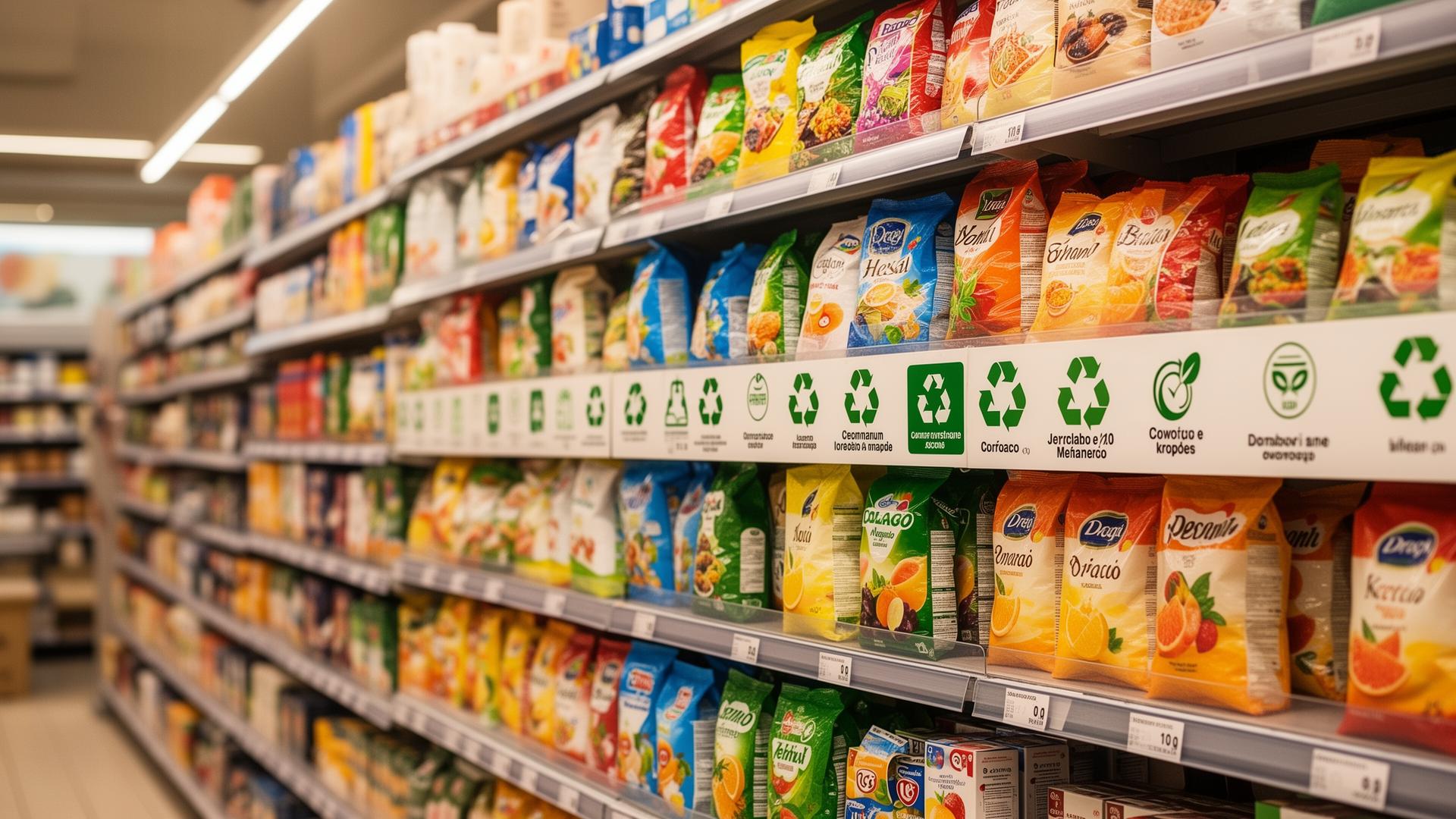
PPWR's labelling provisions standardise consumer-facing recyclability and material identification across the EU. The benefit is consumer clarity; the cost is a coordinated re-artwork programme across thousands of SKUs.
Treat labelling as a co-ordinated wave rather than ad hoc updates. A single re-artwork pass that combines PPWR labelling with recycled content claims, eco-design improvements, and brand refreshes is dramatically cheaper than three separate passes spread over five years.
Governance and reporting
PPWR will require periodic reporting to producer responsibility organisations and competent authorities. Companies that have built their digital pack specification, fee model, and readiness diagnostic on a single platform will produce these reports as a render. Companies that have not will spend each reporting cycle doing the foundational data work over again.
The 2030 deadlines are not far away in capital planning terms. Programmes that start their diagnostic now and ramp the redesign engine through 2026 and 2027 will arrive on time. Programmes that wait until 2028 will not — there is simply not enough industrial capacity, supplier qualification time, and operational bandwidth to compress the work into eighteen months.
Connecting PPWR to broader product sustainability
PPWR sits within a wider EU regulatory architecture — the Ecodesign for Sustainable Products Regulation, the Empowering Consumers Directive, the Green Claims Directive, the Digital Product Passport — that collectively reshape how products are designed, marketed, and end-of-life managed. Treating PPWR in isolation misses the synergies.
A pack redesign that targets PPWR recyclability also creates the substrate for a Digital Product Passport. A recycled content claim that satisfies PPWR also needs to satisfy the Green Claims Directive's substantiation requirements. A reuse format that satisfies a PPWR reuse target also touches Empowering Consumers obligations on durability and repairability.
The platform models these intersections so that a single redesign initiative can be evaluated against the full regulatory stack rather than one regulation at a time. This integrated view is what prevents the surprisingly common scenario of a pack passing PPWR but failing a downstream marketing claims review.
Capacity planning for the redesign wave
PPWR will trigger the largest concentrated packaging redesign wave in EU history. Internal R&D capacity, supplier qualification slots, packaging line trial windows, and artwork management bandwidth will all be constrained simultaneously across the industry.
Smart programmes plan capacity now. They book line trial windows a year in advance, qualify multiple suppliers per critical material to avoid single-source bottlenecks, and stagger artwork updates so that creative agencies can sustain quality. Programmes that wait will find their preferred suppliers fully booked and their preferred trial windows unavailable.
The platform's pipeline view exposes capacity bottlenecks before they bite, so leadership can rebalance the queue, parallelise where possible, and accept the right trade-offs rather than discovering them at a missed milestone.
Communicating progress credibly
PPWR readiness is increasingly a question investors, customers, and regulators ask. A credible answer is a portfolio-level percentage of revenue at PPWR-ready status, with a trajectory toward the relevant milestone, and a transparent acknowledgement of the gap that remains.
Vague claims of 'PPWR readiness' without supporting metrics invite scrutiny. The platform produces an audit-ready disclosure pack that can be shared selectively with each audience: investors get the financial materiality framing, customers get the SKU-level detail relevant to their tender, regulators get the methodological rigour they expect.
The companies that will lead through the 2030 transition are those that can demonstrate, at any moment, exactly where they stand against the deadline, what they are doing about the gap, and how they are tracking. That clarity is what turns regulation from a risk into a competitive advantage.
Investment cases that survive scrutiny
PPWR redesigns require capital — for tooling, line modifications, recycled material premiums, and qualification trials. Securing that capital depends on investment cases that hold up under finance scrutiny.
The strongest cases combine fee avoidance, market access protection, carbon reduction with internal carbon price applied, brand and consumer benefits where credibly quantifiable, and supply security against recycled material constraints. Single-lever cases — fees alone, or carbon alone — often fail the hurdle. Multi-lever cases that show the full value stack typically succeed.
The platform produces these multi-lever business cases automatically from the underlying SKU data, so that finance receives consistent, traceable, and credible numbers across every redesign request. This consistency speeds up sanction cycles and reduces the political friction that often slows packaging investment.
Programmes that build this discipline early move faster through 2027 and 2028 than competitors still arguing each project on its own terms. Speed of sanction is itself a competitive advantage when the regulatory deadline is fixed.
Lessons from the first movers
A handful of consumer goods and retail companies began their PPWR readiness work in 2023 and 2024, ahead of the regulation's final adoption. Their early experience offers concrete lessons for the wider industry now scaling up. The first lesson is that data foundations take longer than expected — typically six to nine months to assemble a credible digital pack specification across a multinational portfolio, even with strong PLM systems already in place.
The second lesson is that supplier qualification capacity is the binding constraint, not internal R&D bandwidth. First movers booked qualification slots with strategic suppliers up to two years in advance and still encountered bottlenecks on certified recycled polyolefins and food-contact rPET. Companies starting now should assume that supply-side constraints will tighten, not loosen, as the industry as a whole accelerates.
The third lesson is governance. First movers who treated PPWR as a packaging programme stalled when cross-functional dependencies surfaced; those who established executive-level steering with finance, commercial, operations, and sustainability all represented moved consistently faster. The platform supports this by giving every function a shared, real-time view of progress, gaps, and decisions awaiting sponsorship.
Across all five PPWR pressure points, the common thread is that early, data-driven action compounds — and late, reactive action multiplies cost, risk, and organisational stress disproportionately as the 2030 deadline approaches.
Deeper dives on adjacent topics
We curate independent perspectives that complement this article. The links below point to detailed analyses on packgine.ai — a sister source for packaging compliance, EPR, PPWR, and circularity.