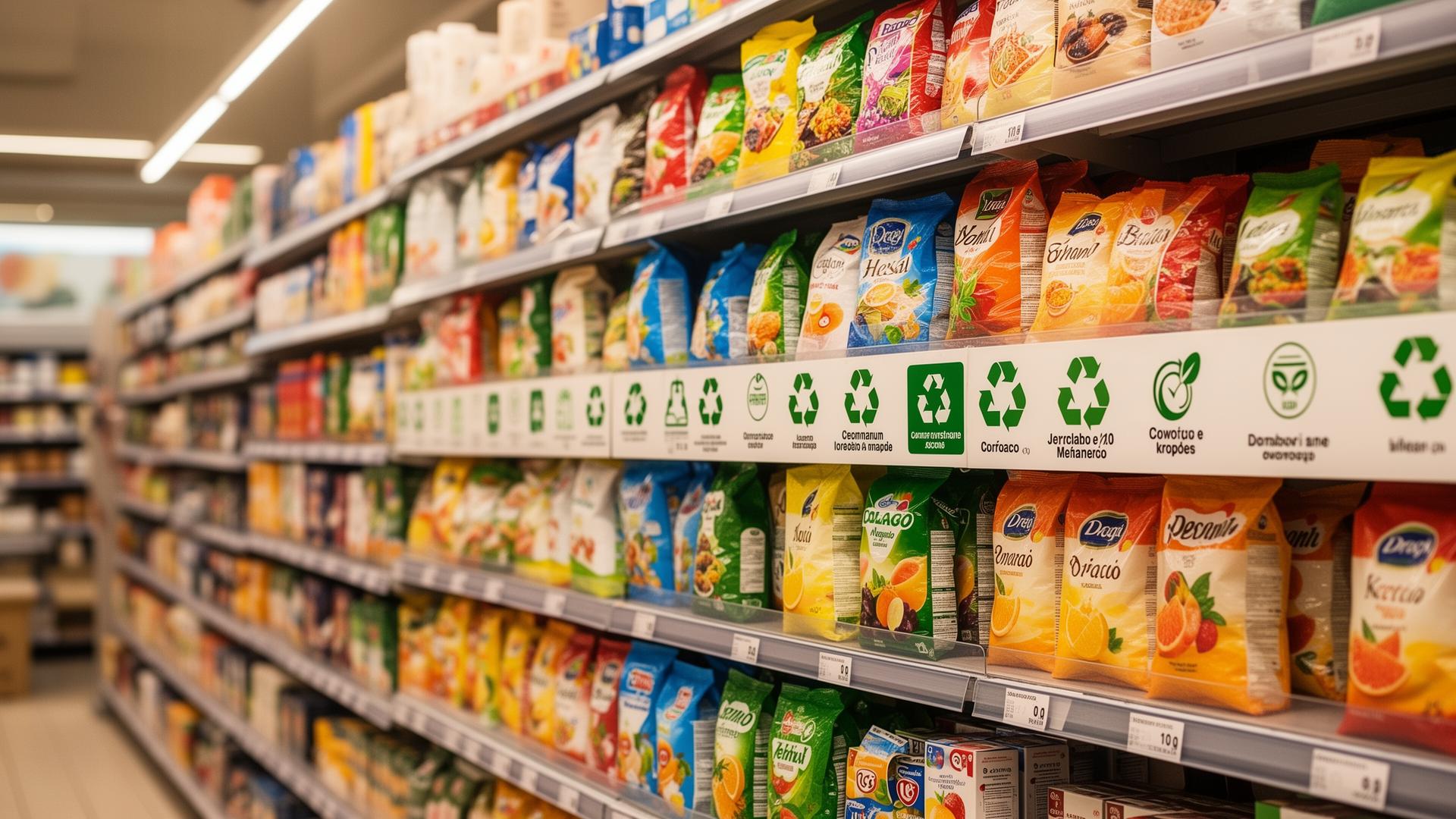

What PPWR actually requires
The Packaging and Packaging Waste Regulation introduces design-for-recycling grades, mandatory recycled content thresholds, reuse targets, and minimisation requirements that apply to every packaging unit placed on the EU market. Unlike the directive it replaces, PPWR is directly applicable in every member state — there is no national transposition that creates room for delay.
The conformity assessment process requires producers to demonstrate, per packaging unit, that their materials meet the relevant grade thresholds and content requirements. This is a fundamentally different exercise from EPR fee reporting: it's a continuous compliance regime, not an annual filing.
Why most producers underestimate the runway
Conversations with packaging leads consistently surface the same misconception: that PPWR is a 2030 problem. In reality, design-for-recycling grades affect SKUs that will be on shelf in 2027, which means design decisions being made right now are already PPWR-relevant. Tooling lead times for primary packaging changes are typically 18–30 months, which puts the decision window squarely in the present.
The teams that will navigate PPWR comfortably are the ones that have already restructured their packaging data into a format that supports continuous conformity assessment. The teams that wait will find themselves redesigning under deadline pressure with incomplete data — the most expensive way to do this work.
How Packgine.ai compresses the readiness timeline
The most valuable thing Packgine does for PPWR readiness is structural reuse. The data fields required for a Circular Action Alliance submission in the US — material composition, weight, recyclability classification per component — are roughly 80% of the fields required for a PPWR conformity assessment. Packgine's data model captures both in a single record, so the work done for US EPR pays forward into EU readiness automatically.
The platform's design simulator also lets producers run portfolio-wide PPWR scenarios: what percentage of SKUs hit Grade A under current designs, what redesign moves shift the largest volume into compliance, where the recycled content gaps are most concentrated. This converts PPWR from a regulatory anxiety into a prioritised programme.
Packgine maintains the PPWR rule set as the delegated acts are finalised, so producers don't have to track every Commission update themselves. When new thresholds publish, every SKU is automatically reassessed and the gap report regenerates.
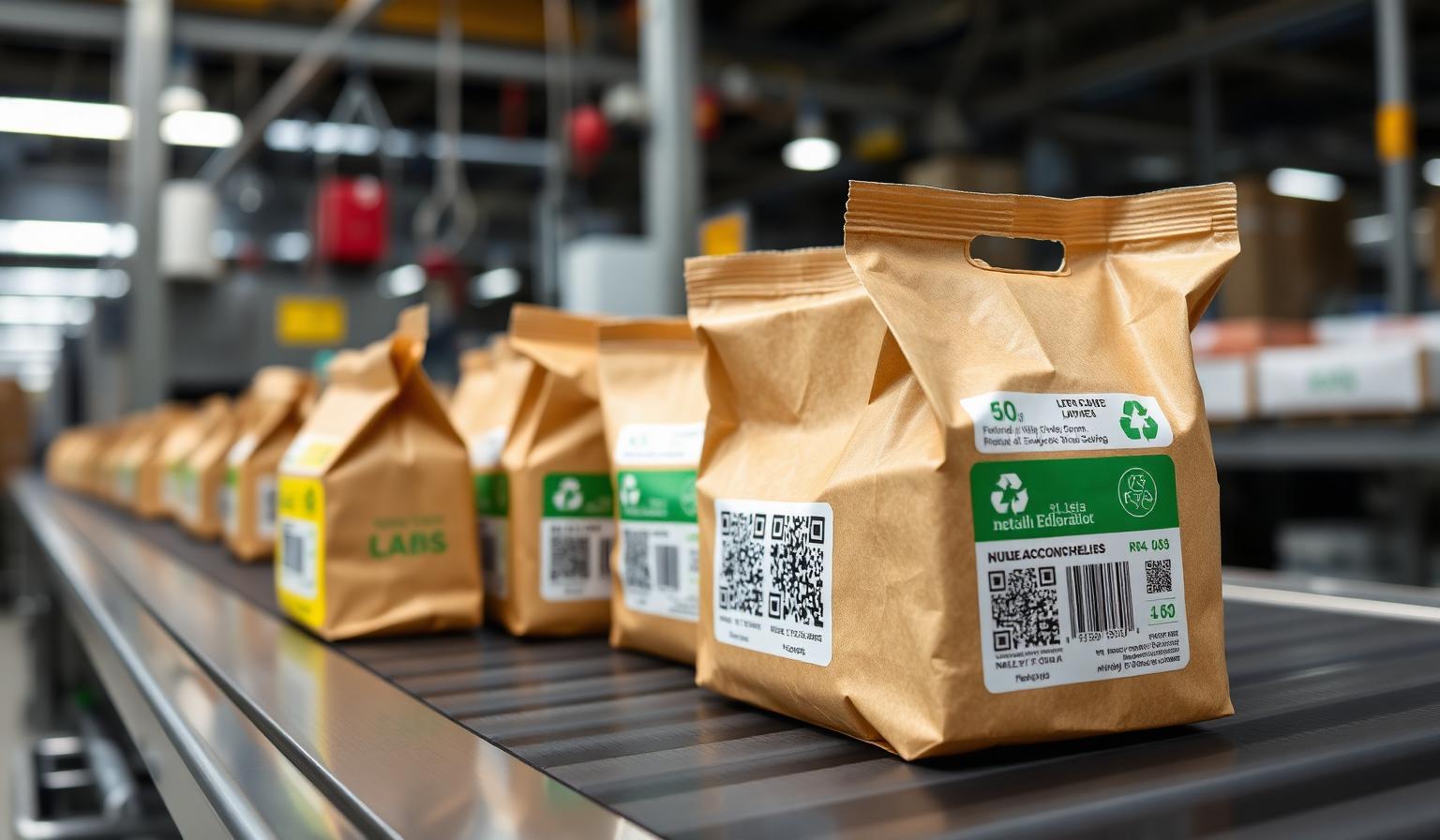
The Digital Product Passport dimension
PPWR is also the regulatory frame within which packaging Digital Product Passports will be operationalised. The same SKU-level dataset that supports conformity assessment is the foundation of the DPP. Producers building this data layer now are simultaneously preparing for both — those building separate systems are setting up a multi-year reconciliation problem.
Packgine.ai's data model is DPP-ready by design, with the provenance, versioning, and identifier infrastructure that the passport regime will require. This is not a future feature; it's a deliberate architectural choice in the present platform.
Twelve-month action plan
Quarter one: complete a PPWR portfolio gap assessment. Identify SKUs that fail design-for-recycling grades under current materials and rank by EU volume. Packgine can produce this in days from a SKU master file.
Quarter two: prioritise redesign candidates by combined PPWR exposure, eco-modulated fee impact, and Scope 3 contribution. The integrated view is where Packgine + gCurv earns its keep.
Quarters three and four: execute redesigns on the top decile, lock in supplier commitments on recycled content, and stand up the continuous conformity workflow. By the end of year, PPWR has moved from an unknown to a managed programme.
Deeper dives on adjacent topics
We curate independent perspectives that complement this article. The links below point to detailed analyses on packgine.ai — a sister source for packaging compliance, EPR, PPWR, and circularity.